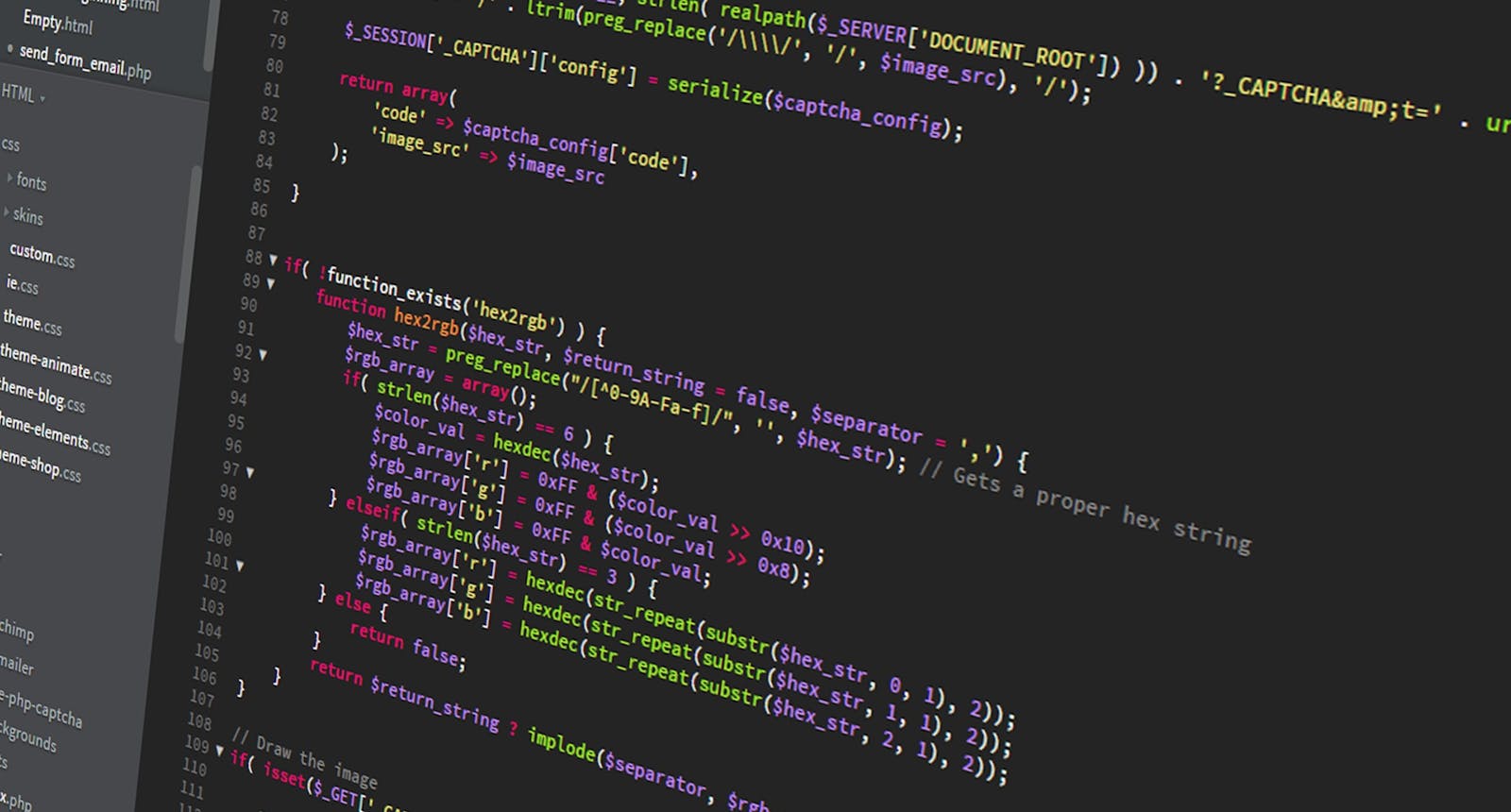
Let's be honest: nobody writes a perfect Regular Expression (Regex) on the first try. Writing regex is often likened to writing ancient hieroglyphics. It is a dense, incredibly powerful syntax used to match, extract, and manipulate strings of text.
Because it is so complex, testing is not just an option—it is a mandatory phase of the development lifecycle. To verify that your pattern works, you need sample text.
And herein lies a catastrophic, industry-wide security vulnerability.
Where do developers get this sample text? They pull it directly from their application logs, database dumps, or live API responses. This data is invariably packed with real-world information: user email addresses, IP logs, session IDs, and sometimes even plaintext passwords or financial data.
When a developer copies this proprietary sample text, opens a new tab, and pastes it into a random online Regex tester, they are committing a massive data breach. They are transmitting unencrypted, highly sensitive production data to an unknown, third-party server.
Part 1: The Anatomy of a Regex Leak
To understand the severity of this issue, we must look at how regex is actually used in the wild. You don't test a pattern against the word "hello." You test it against a 5,000-line Nginx access log, or a massive JSON payload retrieved from a microservice.
The PII Exposure Risk
Consider a scenario where an engineer is tasked with writing a regex to mask credit card numbers before they are written to a database. To ensure this pattern doesn't accidentally match phone numbers or product IDs, the engineer needs to test it against real data.
If they paste a block of raw, unmasked transaction logs into a cloud-based regex tester, they have just uploaded live credit card numbers to a third-party server.
Part 2: Regex and the AI Orchestration Paradigm
The necessity for secure pattern matching has skyrocketed with the enterprise adoption of Artificial Intelligence. While LLMs are powerful, their output is notoriously unstructured. Bridging the gap between a language model and a deterministic backend system requires heavy use of Regular Expressions.
By using Formatho's local regex tester, AI engineers can validate complex extraction patterns against sensitive agent outputs without exposing their AI's internal dialogue to the internet.
Part 3: Document Redaction and PDF Processing Security
Perhaps the most critical, high-risk application of Regular Expressions in modern enterprise software is document redaction. When a company handles legal contracts, medical records, or financial statements, they must adhere to strict compliance frameworks (GDPR, HIPAA).
Formatho provides the secure, browser-based formatting tools necessary to test these patterns against highly classified text, ensuring the data never leaves the developer's machine.