Most AI tools still feel like smarter search boxes. Helpful, fast and fundamentally contained.
This didn't.
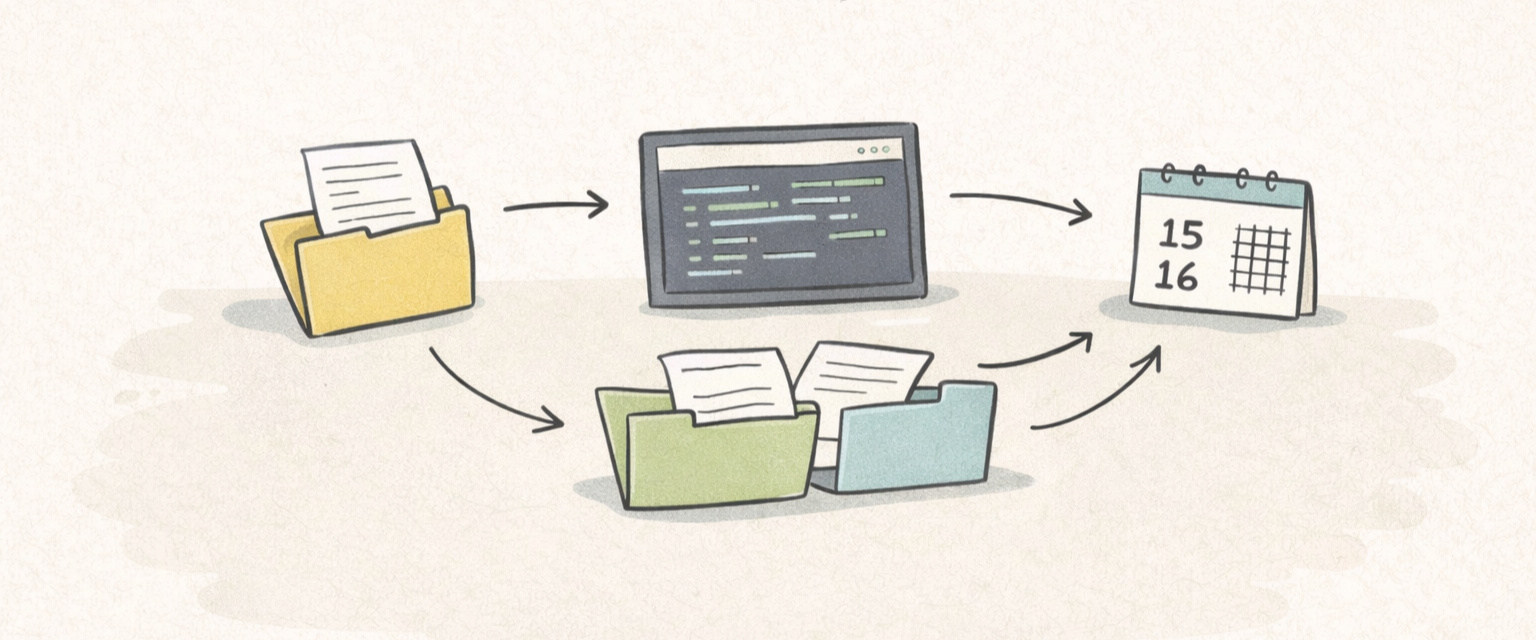
The Hidden Limitation of Modern AI Tools
Modern AI is undeniably powerful, but it lives in carefully controlled places:
- Browser tabs
- Sandboxed APIs
- Narrow, permission-based interfaces
That safety comes with a tradeoff we've quietly normalized in session-based AI systems.
AI can think, but it can't participate.
It doesn't live where your work lives. It doesn't persist beyond the session, especially in stateless AI architectures. And it doesn't carry responsibility.
The Shift Isn't Smarter AI. It's Where AI Lives
What makes tools like Clawdbot interesting isn't intelligence.
It's location.
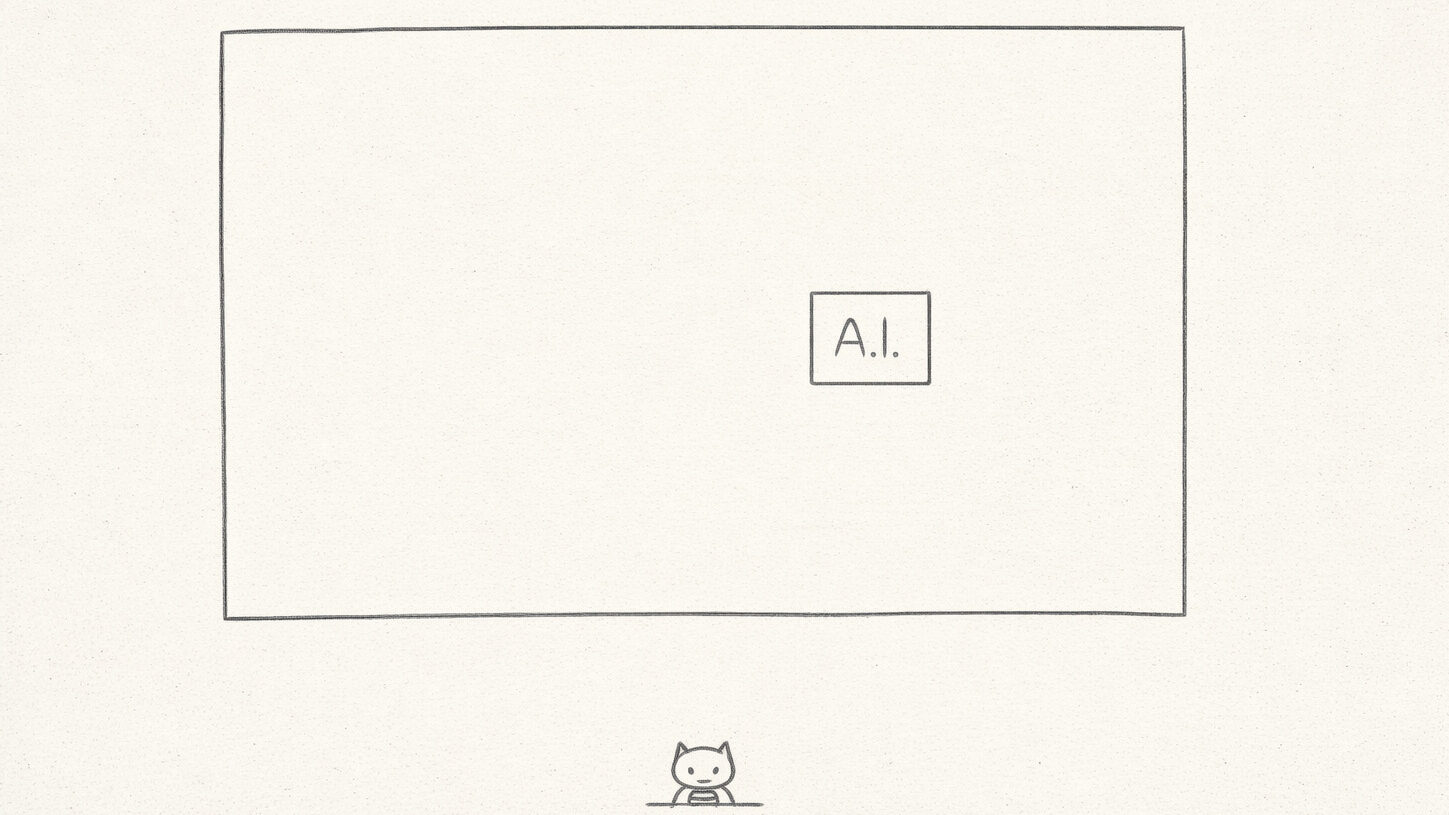
A local AI agent runs:
- On your own machine
- Inside an environment you control
- With access you explicitly grant
Not cloud-first. Not abstracted behind interfaces. Not limited to suggestion mode.
This is AI as resident, not visitor.
Why Local AI Agents Change the Relationship
Running locally isn't a technical flex. It changes the nature of interaction.
Because a local AI agent:
- Stores memory in files you can inspect, enabling persistent AI agents
- Maps actions directly to real system outcomes
- Maintains context across time, not sessions
This isn't about privacy as a belief system. It's about continuity.
The system remembers because it never left.
When AI Stops Feeling Like a Chatbot
The turning point isn't installation or setup.
It's delegation.
A single instruction, sent casually, from a phone—triggering a chain of real actions across files, formats, and email.
No UI. No app-switching. No ceremony.
That's when the abstraction collapses.
You stop "using" AI. You start assigning work.
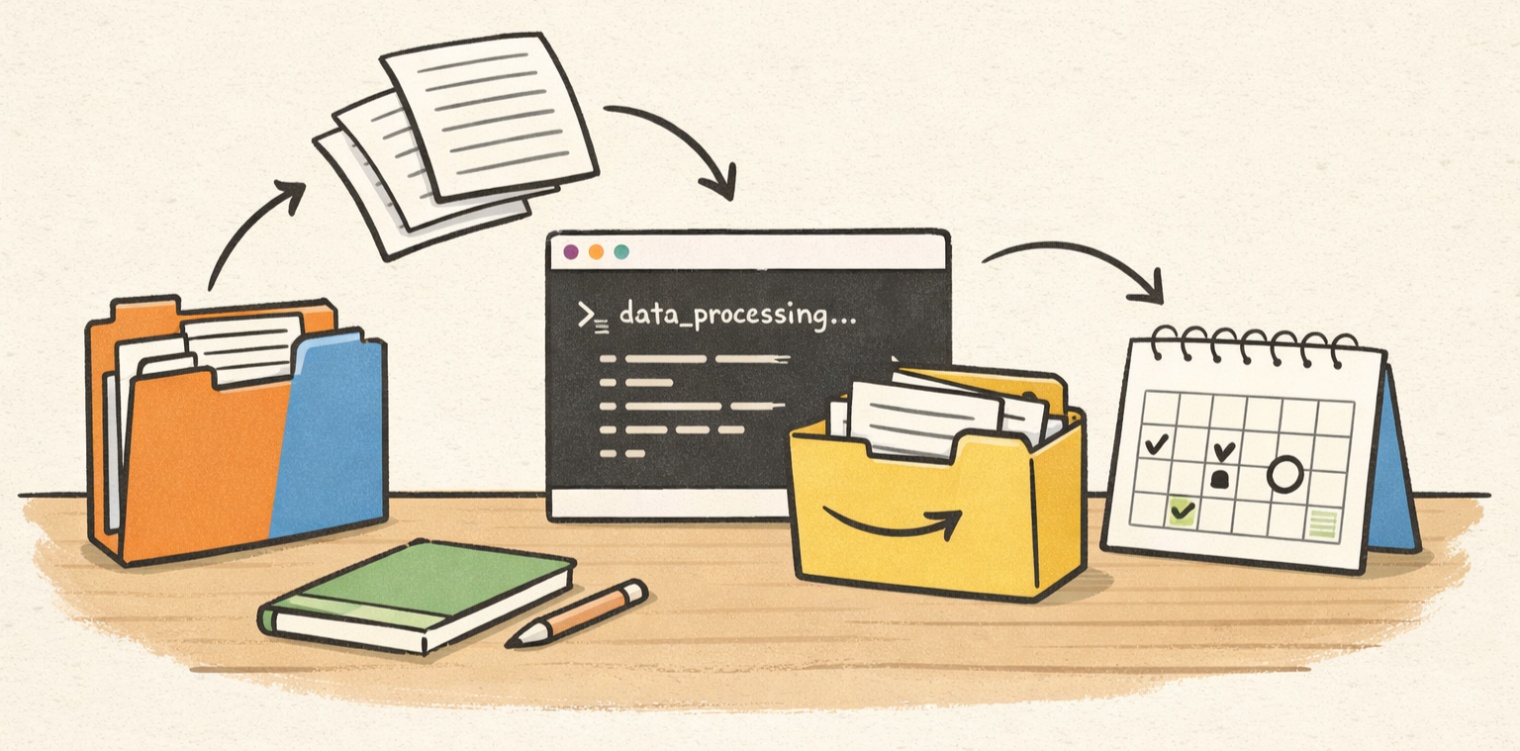
Setup Friction Is a Signal, Not a Flaw
Yes, local AI agents take effort to set up.
You isolate environments. You install dependencies. You choose models and interfaces deliberately.
That friction isn't accidental.
It introduces something most AI tools avoid: intentional ownership.
This isn't a service you rent. It's a system you host.
Skills Turn AI Into Infrastructure
Once skills enter the picture, the question changes.
Not: "What can this AI answer?"
But: "What responsibilities should it have?"
Web research. Calendars. Email. Code repositories.
Each skill isn't a feature—it's a boundary you consciously relax.
Persistence Is the Difference You Notice Later
Most AI tools forget you the moment you leave.
Local AI agents don't.
Not because they're more advanced. Because they persist as local-first software systems.
They accumulate context the way human collaborators do:
- Over time
- Through repeated interaction
- Inside a shared environment
That quiet continuity is what lingers.
A Question Worth Sitting With
We keep asking whether AI is getting smarter.
A more revealing question might be:
How much of our real environment are we willing to let AI inhabit?
Because once it lives where the work lives, it stops being a tool.
It becomes infrastructure.
This reflects on the rise of local, open-source AI agents and how persistence and location reshape our relationship with artificial intelligence.